
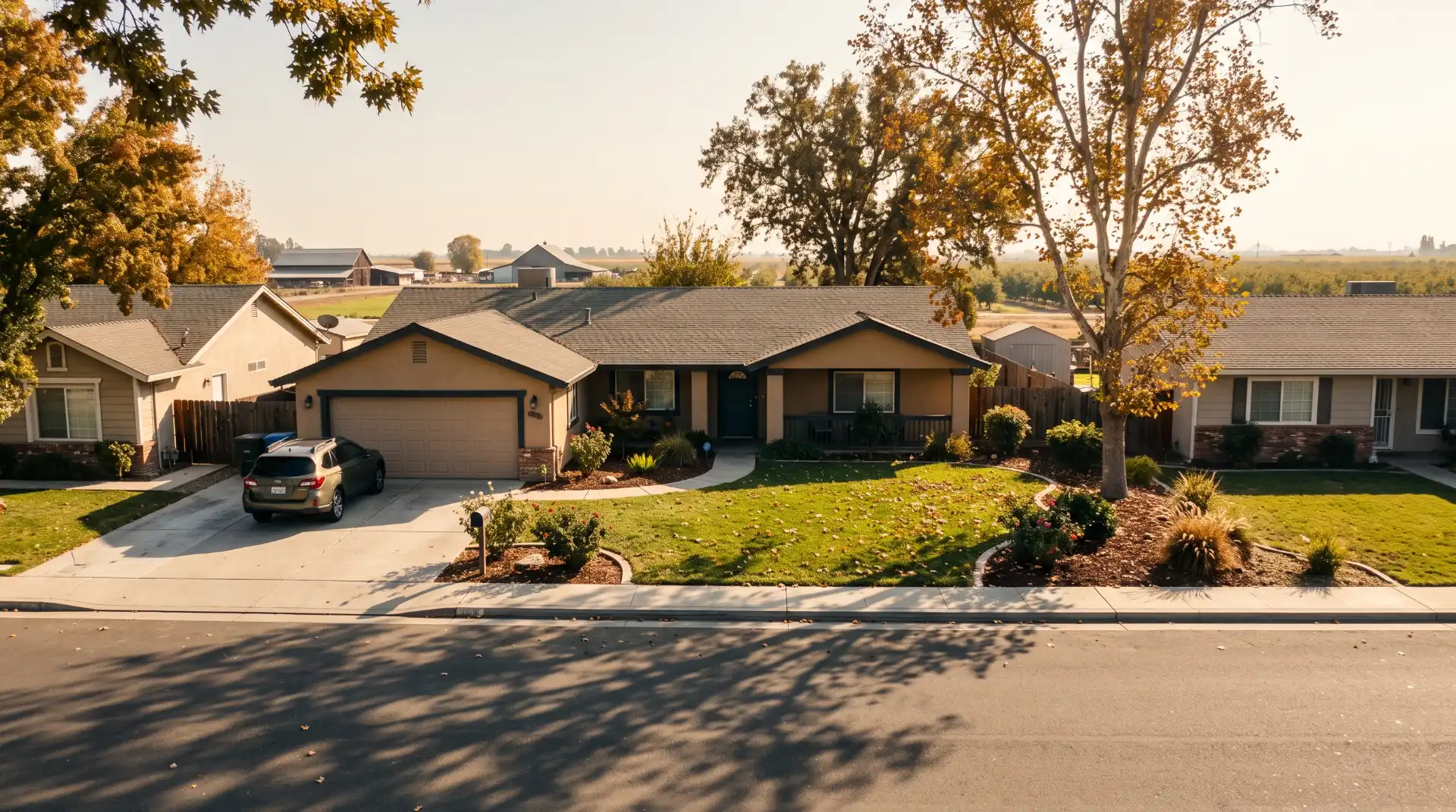
Merced County continues to attract attention from homebuyers, renters, families, first-time buyers, and people looking for a different pace of life in California’s Central Valley. With communities ranging from the city of Merced to Atwater, Los Banos, Livingston, Gustine, and smaller rural towns, the county offers a variety of housing options. However, finding an affordable home in 2026 requires more than comparing advertised prices. Buyers must consider mortgage rates, property taxes, insurance, maintenance, commuting expenses, and the availability of homes that fit their budgets.
For renters, the picture is equally complicated. Monthly rent can vary significantly by community, property size, condition, and proximity to employment centers, schools, shopping, and educational institutions. A lower advertised rent may also come with additional utility, transportation, or maintenance-related expenses that affect the total cost of living.
Recent market data suggests that Merced County is neither a uniformly inexpensive market nor one in which every home is appreciating rapidly. Prices vary by location and property type, and different real estate data providers report different figures because they measure different aspects of the market. Understanding those differences can help residents make better decisions about buying, renting, selling, or relocating.
This guide explores the Merced County housing market in 2026, explains local price and rental trends, examines communities worth researching, and offers practical steps for making housing more affordable.
Understanding the Merced County Housing Market in 2026
The first step in evaluating the local market is understanding what the numbers actually represent.
According to Realtor.com, its September 2026 market snapshot placed Merced County’s median listing price at approximately $451,179, with a median sold price of $420,000 and median rent of $1,725 per month. Zillow reported a typical home value of approximately $413,640 for the same general period. These figures should not be treated as competing estimates of precisely the same measurement: a listing price reflects what sellers are asking, a sold price reflects completed transactions, and a home-value index estimates typical property values using a different methodology.
The distinction matters because a house advertised for $450,000 may ultimately sell for less, while a particularly desirable property could attract multiple offers. A typical-value index also includes a different calculation of market movements than a median asking price.
Source: Realtor.com Merced County Housing Market Report.
For buyers, these figures provide a useful starting point rather than a guarantee of what a particular house should cost. For sellers, they help establish context when setting an asking price. Renters can use rental data to compare housing expenses across communities, but they should still check current listings for the precise type of property they need.
The broader lesson is that the county should not be treated as one uniform housing market. A detached home on a large lot, a newer subdivision property, a condominium, and a rental apartment may follow different pricing patterns even when they are located in the same city.

Home Prices: What Buyers Should Know
Home prices remain one of the biggest considerations for people planning to purchase property in Merced County. Buyers often look to the region because it can offer alternatives to more expensive California metropolitan areas. Nevertheless, affordability depends on household income, financing terms, available inventory, and the condition and location of the property.
A median listing price above $450,000 does not mean every home costs that much. Smaller houses, older properties, homes needing repairs, and properties in certain communities may be advertised at lower prices. Larger homes, acreage, newer construction, and properties in desirable locations can be considerably more expensive.
The challenge is to compare similar homes. A property with a lower asking price may need a new roof, electrical improvements, plumbing repairs, or energy-efficiency upgrades. Another home with a higher price may have newer systems and require less immediate spending. Buyers should evaluate the entire financial picture rather than assuming that the cheapest listing represents the best value.
Why Listing Prices and Sale Prices Differ
The asking price is the seller’s initial offer to the market. The final sale price reflects the agreement reached between the buyer and seller, subject to the transaction closing successfully.
When a home has been listed for several weeks without receiving an acceptable offer, the seller may reconsider the asking price. A well-maintained property with competitive pricing can still attract strong interest, particularly when it offers features that are difficult to find elsewhere.
Realtor.com reported a median of 57 days on the market in Merced County in September 2026. That figure provides context for how long listed homes were taking to sell under the source’s methodology, but it should not be interpreted as a promise that a specific home will sell within that period.
Buyers should examine recent comparable sales, the home’s condition, days on market, and any price reductions before submitting an offer. Sellers should evaluate the same information when deciding how to price their property.
How Mortgage Rates Affect Affordability
A property’s purchase price is only one part of the cost of ownership. Mortgage interest rates can substantially change a household’s monthly payment, even when the purchase price remains the same.
Consider a hypothetical buyer borrowing $360,000 with a 30-year fixed-rate mortgage. At a 6.5% annual interest rate, the principal-and-interest payment would be approximately $2,275 per month. At 7.5%, it would rise to approximately $2,517 per month. These estimates exclude property taxes, homeowners insurance, mortgage insurance, homeowners association fees, and other costs. Actual lender quotes will depend on the borrower’s circumstances and loan terms.
This example illustrates why buyers should obtain current loan estimates instead of planning around an assumed future interest rate. A modest difference in the interest rate can affect both the monthly budget and the total interest paid over the life of the loan.
Before shopping seriously, prospective buyers should establish a comfortable monthly payment and request a mortgage preapproval. Preapproval can help clarify the amount a lender may be willing to finance, but it does not mean that the maximum approved amount is necessarily affordable for the household.
Rental Trends Across Merced County
Renting remains an important option for people who need flexibility, are saving for a down payment, or are uncertain about how long they will remain in the area.
Realtor.com’s September 2026 data placed the countywide median asking rent at approximately $1,725 per month. That figure is a useful benchmark, but it does not mean every apartment or house rents for that amount. Smaller units, larger family homes, furnished properties, and rentals in different neighborhoods can have substantially different prices.
The available rental supply also changes over time. A neighborhood with several available apartments one month may have fewer choices the next. Students, new employees, seasonal workers, and families moving within the county can all influence demand for particular property types.
Renters should compare the complete monthly cost of a property, including utilities, parking, pet fees, internet, and any other charges permitted by the lease. They should also verify the security deposit, lease duration, renewal conditions, maintenance responsibilities, and procedures for reporting problems.
Is Renting Better Than Buying in 2026?
The answer depends on the household’s finances and plans. Renting can be attractive when a buyer has limited savings, expects to move within a few years, or wants to avoid responsibility for major property repairs. It can also provide time to learn which communities best match a family’s commute, school preferences, and lifestyle.
Buying may make more sense for people who expect to stay in the same location for an extended period, have stable finances, and can afford the upfront and ongoing costs of ownership. Homeownership can provide stability and the opportunity to build equity, although neither appreciation nor a financial gain at resale is guaranteed.
Comparisons should include more than monthly rent and the mortgage principal-and-interest payment. Buyers must account for property taxes, homeowners insurance, maintenance, potential homeowners association fees, and closing costs. Renters should account for possible rent increases, moving expenses, and the value of keeping their savings available for other needs.
A household should not buy simply because it believes rent is money wasted. A poorly timed or financially stretched purchase can create more risk than renting while building savings.
Affordable Places to Research in Merced County
Affordability is relative. A community that offers a lower purchase price may involve a longer commute, fewer nearby rental options, or different property-maintenance requirements. The best location depends on the household’s priorities and the actual homes available when it is ready to move.
The following communities are worth comparing when researching the Merced County housing market in 2026.
Merced: A Range of Housing and Local Amenities
The city of Merced offers a mix of established neighborhoods, apartments, detached homes, and newer residential developments. Its employment centers, shopping areas, healthcare services, and educational institutions make it a practical starting point for people who want access to urban amenities without living in a major metropolitan area.
The presence of the University of California, Merced, and Merced College also makes the local housing market relevant to students, university employees, educators, and households connected to the education sector.
Realtor.com’s September 2026 snapshot listed Merced’s median asking price at approximately $428,995 and median asking rent at about $1,695 per month. These are market indicators, not guarantees of current prices in every neighborhood.
People researching homes in Merced should compare commute times, neighborhood conditions, property age, and proximity to the services they use regularly. A lower-priced home farther from work may not deliver the best overall value if transportation costs are high.
Atwater: An Alternative for Buyers and Renters
Atwater is another community worth including in a housing search. It offers residential neighborhoods and access to local services while remaining within the broader Merced County region.
Realtor.com’s September 2026 figures placed Atwater’s median listing price at approximately $439,000. The same snapshot showed a median rent of about $1,775 per month. Rental and purchase figures can move differently, so buyers should not assume that a location with a competitive purchase price will automatically have the cheapest rental properties.
Households considering Atwater should examine the condition of individual properties, school and employment access, and the distance to frequently visited destinations. Comparing the total cost of commuting with the price difference between homes in Atwater and Merced may reveal which location better suits the household budget.
Los Banos: Consider Location and Commuting Costs
Los Banos can appeal to households looking for a community with its own residential areas, businesses, and services. It may also attract people whose employment or family connections extend beyond Merced County.
However, buyers should evaluate commuting needs carefully. A home that appears affordable based on its asking price may become less attractive when fuel, vehicle maintenance, bridge or road expenses where applicable, and travel time are included.
Realtor.com’s September 2026 snapshot placed Los Banos’s median listing price at approximately $495,022 and median rent at about $2,000 per month. These figures show why it is important to compare current local listings instead of assuming that every community in the county costs less than Merced.
Potential residents should consider where they work, how often they travel, and whether their schedules require reliable access to neighboring employment centers.
Livingston: Compare Newer Homes and Established Neighborhoods
Livingston offers another option for households looking beyond Merced itself. Buyers may find a mix of established residential properties and newer housing, although availability depends on the current listings.
Realtor.com reported a median listing price of approximately $549,000 in Livingston in September 2026. This indicates that the community should not automatically be categorized as cheaper than other areas of the county.
A prospective buyer should compare similar properties by size, age, lot characteristics, and condition. It is also useful to ask about local infrastructure, access to shopping and healthcare, and the likely cost of traveling to work.
Dos Palos, Gustine, Winton, and Other Smaller Communities
Households willing to consider smaller communities may want to investigate Dos Palos, Gustine, Winton, Delhi, and other parts of Merced County. Their housing markets can differ considerably from those of the larger cities.
Realtor.com’s September 2026 snapshot showed a median listing price of approximately $393,000 in Dos Palos and $409,999 in Winton. These figures can help buyers identify locations for further research, but they do not establish that a particular property is affordable or suitable.
Smaller communities may have fewer available homes or rental properties at a given time. Buyers should also assess access to medical care, grocery stores, childcare, schools, and employment. Rural properties may require additional attention to septic systems, private wells, road access, and other features that are less common in established urban neighborhoods.
The most useful approach is to build a shortlist of several communities and compare actual homes within a consistent budget. That process provides a clearer picture than ranking towns solely by median asking price.

First-Time Homebuyers: How to Prepare Financially
First-time buyers often focus on saving enough for a down payment, but preparing for homeownership involves several additional steps.
The first is to review monthly income and expenses. Buyers should account for existing debts, childcare, transportation, food, healthcare, savings goals, and unexpected expenses before deciding how much they can spend on housing. A lender’s approval amount may exceed the payment that feels comfortable in everyday life.
The second step is to understand available mortgage options. Conventional loans, FHA-insured loans, and eligible VA-backed loans have different requirements, costs, and eligibility rules. A qualified mortgage professional can explain the options and provide estimates based on the buyer’s financial situation.
Some eligible buyers may also qualify for down-payment or closing-cost assistance. California’s housing assistance programs change over time, and funding availability, income limits, purchase-price caps, and lender requirements may affect eligibility.
The California Housing Finance Agency provides information about homebuyer programs, approved lenders, and assistance options. Prospective buyers can start with the official CalHFA homebuyer programs website.
Buyers should verify current program details before making financial decisions. Assistance is not guaranteed, and some programs involve specific loan conditions or repayment requirements.
Finally, buyers should maintain savings for emergencies after closing. Using every available dollar for a down payment can leave a household vulnerable if the water heater fails, the roof needs repairs, or income is interrupted.
Hidden Costs of Owning a Home in Merced County
A realistic housing budget includes expenses that do not appear in the advertised sale price.
Property taxes are one important consideration. California property taxes are generally governed by Proposition 13, with a basic property tax rate of 1% of assessed value plus applicable voter-approved indebtedness and assessments. Actual tax bills vary by property and location. Buyers should review the parcel’s tax information rather than assuming that every home has the same effective tax rate.
Homeowners insurance is another expense to investigate before making an offer. Premiums can vary according to the home’s age, construction, claims history, coverage limits, deductible, and insurer. Buyers should obtain quotes for the specific property and confirm the availability and scope of coverage before their financing and inspection contingencies expire.
Maintenance also deserves a place in the budget. Roofs, heating and cooling systems, plumbing, appliances, fences, driveways, and landscaping all require upkeep. Older homes may need more immediate attention, but even newer properties can develop unexpected problems.
Energy expenses can be especially relevant in the Central Valley, where summer temperatures can make air conditioning an important household cost. Insulation, window quality, shade, HVAC efficiency, and thermostat settings can affect utility bills.
Before purchasing, buyers should obtain a professional inspection and investigate any specialized concerns identified during the process. For rural properties, this may include private well testing, septic inspections, drainage, outbuildings, and access arrangements.
The lowest-priced home is not necessarily the least expensive home to own. A property with a higher asking price but fewer immediate repair needs could be a better long-term fit, depending on the inspection findings and financing.
Housing Supply, Construction, and Neighborhood Development
Housing affordability is influenced by the number and type of homes available. When demand rises faster than supply, buyers and renters may face greater competition for suitable properties. When more homes become available, households may have a wider range of choices, although affordability still depends on prices, financing costs, and income.
Merced County includes urban neighborhoods, agricultural communities, and rural areas. Each setting presents different challenges for housing development. New construction may add housing choices, but its effects depend on the number of units built, their prices, the timing of completion, and whether they meet local demand.
Buyers considering newly built homes should compare the advertised price with the complete purchase cost. They should ask about lot premiums, upgrades, landscaping, appliances, community fees, warranties, completion schedules, and any financing incentives. Builder incentives can be valuable, but buyers should compare the full terms with other available offers.
Residents interested in proposed developments should consult local planning departments, city council materials, county planning documents, and public notices. A proposed project should not be treated as a completed development until the relevant approvals and construction milestones have been confirmed.
Infrastructure also matters. Roads, water systems, wastewater capacity, schools, and emergency services can affect how a neighborhood develops and whether new housing is practical. Growth may create opportunities, but it can also raise questions about traffic, utility capacity, and the cost of providing public services.
For residents following the area’s future, local planning information can provide a more reliable picture than social media rumors or unverified claims about upcoming construction.
How Renters Can Find Better Housing Value
Renters can improve their search by deciding what they need before looking at listings. The essential requirements may include a specific number of bedrooms, a reasonable commute, pet policies, accessible public services, parking, and a lease that matches the household’s plans.
Once those priorities are clear, renters should compare properties using a consistent checklist. The advertised monthly rent is important, but so are utility costs, move-in fees, lease length, maintenance procedures, and the property’s condition.
It is wise to visit a property when possible and inspect the neighborhood at different times of day. Renters should check locks, windows, appliances, water pressure, visible signs of leaks, heating and cooling equipment, and general cleanliness. Any existing damage should be documented in writing and with photographs before move-in.
Applicants should also be alert to rental scams. A listing that is dramatically cheaper than comparable properties, a landlord who refuses to arrange a legitimate viewing, or a demand to send money through an unusual payment method may be cause for concern. Verify that the person offering the property is authorized to rent it before paying deposits or application fees.
California tenants have specific rights and responsibilities under state law, and the rules that apply can depend on the property and the circumstances. The California Department of Real Estate and other official state resources can help residents find reliable housing information.
Renters facing financial difficulties should investigate whether local, county, nonprofit, or state programs offer assistance. Eligibility, funding, and waiting lists vary, so contacting the appropriate agency directly is essential.
How Sellers Can Navigate the 2026 Market
Homeowners considering selling should begin with a realistic evaluation of comparable properties. An asking price based only on what a neighbor received several months ago may not reflect today’s competition or the condition of the home.
A strong listing generally combines appropriate pricing, clear photography, accurate property information, and convenient showing arrangements. Simple improvements such as cleaning, decluttering, fixing visible maintenance issues, and improving curb appeal can help prospective buyers understand the property’s potential.
However, sellers should avoid expensive renovations without first considering their likely return. A major remodeling project may not recover its full cost in the final sale price. Local agents can help homeowners compare the property’s current condition with competing listings and recent sales.
Sellers should also plan for transaction expenses, possible repairs, negotiations, and the time required to complete the sale. If they are buying another home, coordinating the timing of both transactions can be important.
Market statistics provide context, but the most useful pricing strategy is based on the specific property, its location, recent comparable sales, and the seller’s financial and timing needs.

Is Merced County a Good Place to Live in 2026?
For many households, Merced County offers a combination of residential communities, agricultural surroundings, educational institutions, and access to Central Valley employment centers. The county’s variety of communities gives buyers and renters several settings to consider, from more urban neighborhoods to smaller towns and rural properties.
Whether it is a good fit depends on personal circumstances. A household that values access to university services, shopping, and healthcare may prefer living in or near Merced. Someone seeking a smaller community may explore other towns, while a commuter may prioritize access to their workplace over the initial purchase price.
Climate and transportation should also be part of the decision. Hot summers can influence electricity costs, and the distance between home, work, schools, and shopping can affect daily expenses. Rural living may provide additional space, but it can require more planning for utilities, property upkeep, and transportation.
People relocating from other parts of California should compare the total cost of living rather than housing alone. Lower housing costs do not automatically mean lower overall expenses if transportation, insurance, utilities, or other costs are higher.
A visit to the communities under consideration is one of the best ways to evaluate whether they match a household’s priorities. Exploring local services, testing commuting routes, and reviewing available housing can help turn broad market research into a practical decision.
What to Watch for the Rest of 2026
The Merced County housing market will continue to be influenced by mortgage rates, household incomes, employment conditions, housing construction, and the number of homes available for sale or rent.
Buyers should monitor changes in comparable sale prices, inventory, and the time properties spend on the market. Renters should follow current listings in their preferred neighborhoods and compare lease terms as well as monthly costs. Sellers should watch competing inventory and recent completed sales rather than relying exclusively on countywide averages.
Mortgage rates deserve particular attention because they directly influence buying power. However, trying to predict the exact bottom of the market or waiting for a specific rate can be difficult. A more dependable strategy is to establish a financially sustainable budget and revisit it as circumstances change.
Local development announcements and infrastructure decisions may also affect individual communities over time. Residents should confirm proposed projects through official local sources and distinguish between planning discussions, approved projects, and completed construction.
Housing market reports are updated periodically, and different providers may publish figures at different times. Anyone making a major financial decision should confirm the latest data and obtain advice appropriate to their circumstances.
Frequently Asked Questions About the Merced County Housing Market
What is the average home price in Merced County in 2026?
There is no single figure that represents every home. Realtor.com’s September 2026 snapshot reported a median listing price of approximately $451,179, while Zillow reported a typical home value of about $413,640. These measures use different methodologies. Actual prices depend on the property, location, size, condition, and recent comparable sales.
How much is rent in Merced County?
Realtor.com reported a countywide median asking rent of approximately $1,725 per month in September 2026. Individual rents vary according to property type, size, location, condition, and lease terms. Renters should confirm current prices and additional fees before signing a lease.
Which Merced County communities should homebuyers compare?
Merced, Atwater, Los Banos, Livingston, Dos Palos, Gustine, and Winton are among the communities worth researching. Buyers should compare actual listings, property condition, transportation costs, and access to services rather than choosing solely by median price.
Are there first-time homebuyer programs in California?
Eligible buyers may qualify for certain mortgage or down-payment assistance programs, depending on current funding, income limits, loan terms, and other requirements. The California Housing Finance Agency provides official program information at https://www.calhfa.ca.gov/homebuyer/.
Is 2026 a good time to buy a house in Merced County?
The right time depends on a buyer’s finances, employment stability, housing needs, and plans for the future. Current inventory and price trends can inform a decision, but no market forecast guarantees that prices or mortgage rates will move in a particular direction. Buyers should focus on affordability and a sustainable monthly payment.
What should renters check before signing a lease?
Renters should verify the landlord or property manager, inspect the property, review the full lease, understand the deposit and other permitted charges, and document existing damage. They should also confirm which utilities and maintenance responsibilities are included.
Final Thoughts
The Merced County housing market in 2026 offers a range of opportunities, but finding the right home requires careful comparison. Countywide prices and rents provide helpful benchmarks, yet the most important details are often specific to the neighborhood, property, household budget, and transportation needs.
Buyers can strengthen their position by obtaining financing estimates, comparing recent sales, budgeting for ownership expenses, and arranging appropriate inspections. Renters can improve their search by comparing the total cost of each property, verifying listings, and reviewing lease terms before making commitments. Sellers can use recent comparable sales and current competition to establish realistic expectations.
Whether you are purchasing your first home, moving to a different community, renting while saving for a down payment, or preparing to sell, the best decisions begin with reliable information and a clear understanding of your financial priorities.
Merced County should be evaluated one community and one property at a time. By combining current market data with practical budgeting and local research, residents can make more informed housing decisions throughout the remainder of 2026.
Disclaimer: This article is for general informational purposes only and does not constitute financial, legal, mortgage, or real estate advice. Market figures are time-sensitive snapshots and may change. Verify current prices, rental availability, loan terms, property taxes, and assistance-program requirements before making decisions.